Pet Care
7 Simple Ways to Make Grooming a Happy Experience
Last updated 12 September 2026
Grooming goes more smoothly when a dog expects kindness at the other end of the brush. You do not need a perfect technique or a long session. You need a few habits your dog can trust: short time, a familiar place, a soft voice, and a finish that feels good. These seven ways are small on purpose.
1. Keep the session shorter than your ambition
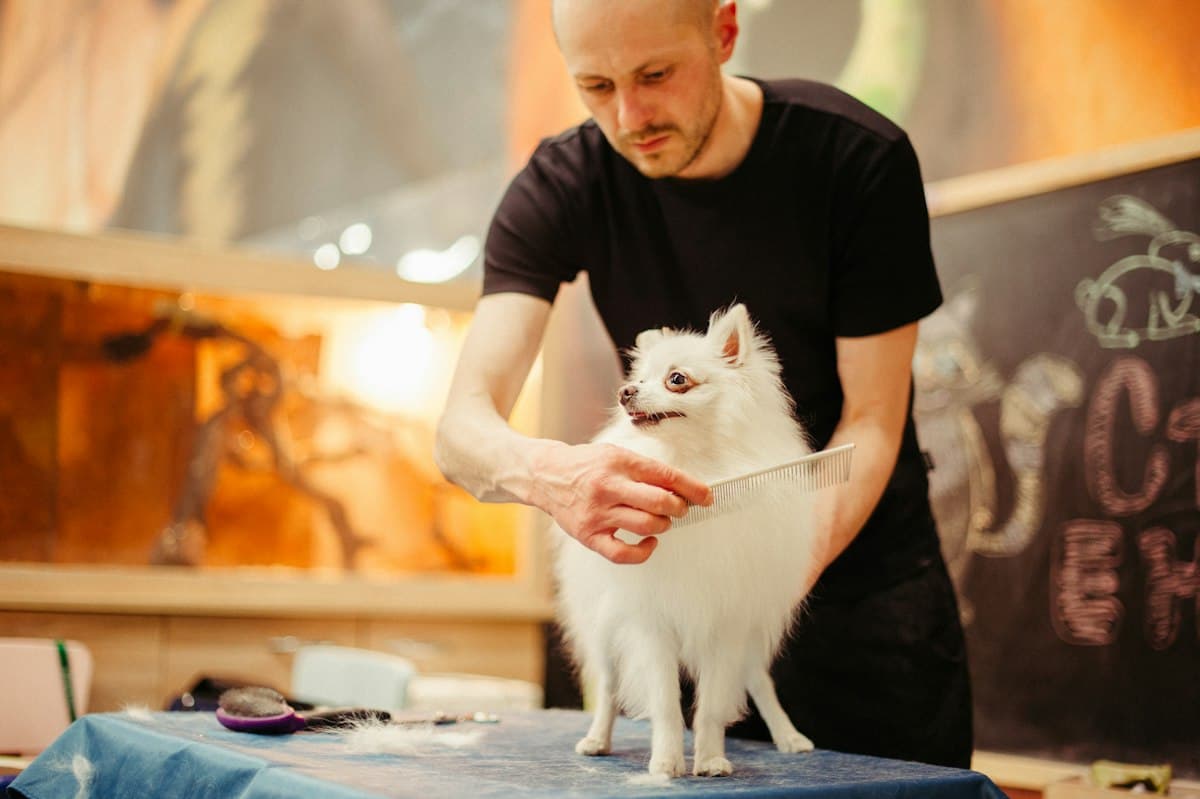
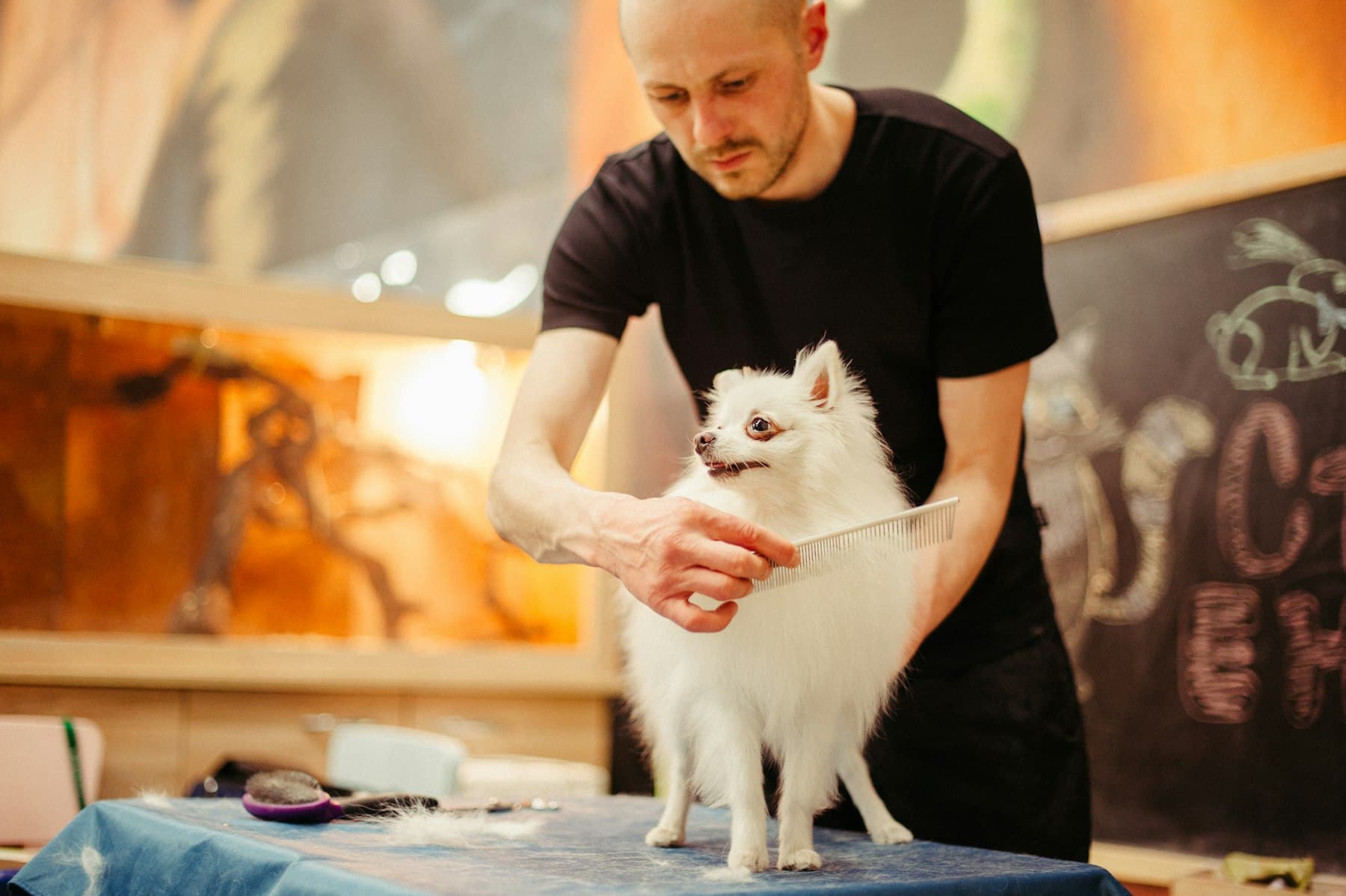
A two-minute brush that ends while your dog is still relaxed teaches more than a twenty-minute session that ends in a struggle. Start with a paw, a shoulder, or the easy part of the back. Stop before either of you is tired of it. You can always come back later in the day. Frequency of happy minutes beats one heroic grooming hour.
If your dog has tangles, work a tiny area and leave the rest. Mats that are tight against the skin are uncomfortable, and forcing a comb through them can make the next session harder. A professional groomer can help with a coat that has gotten away from you. Your job at home can stay gentle.
2. Use the same place and a similar time
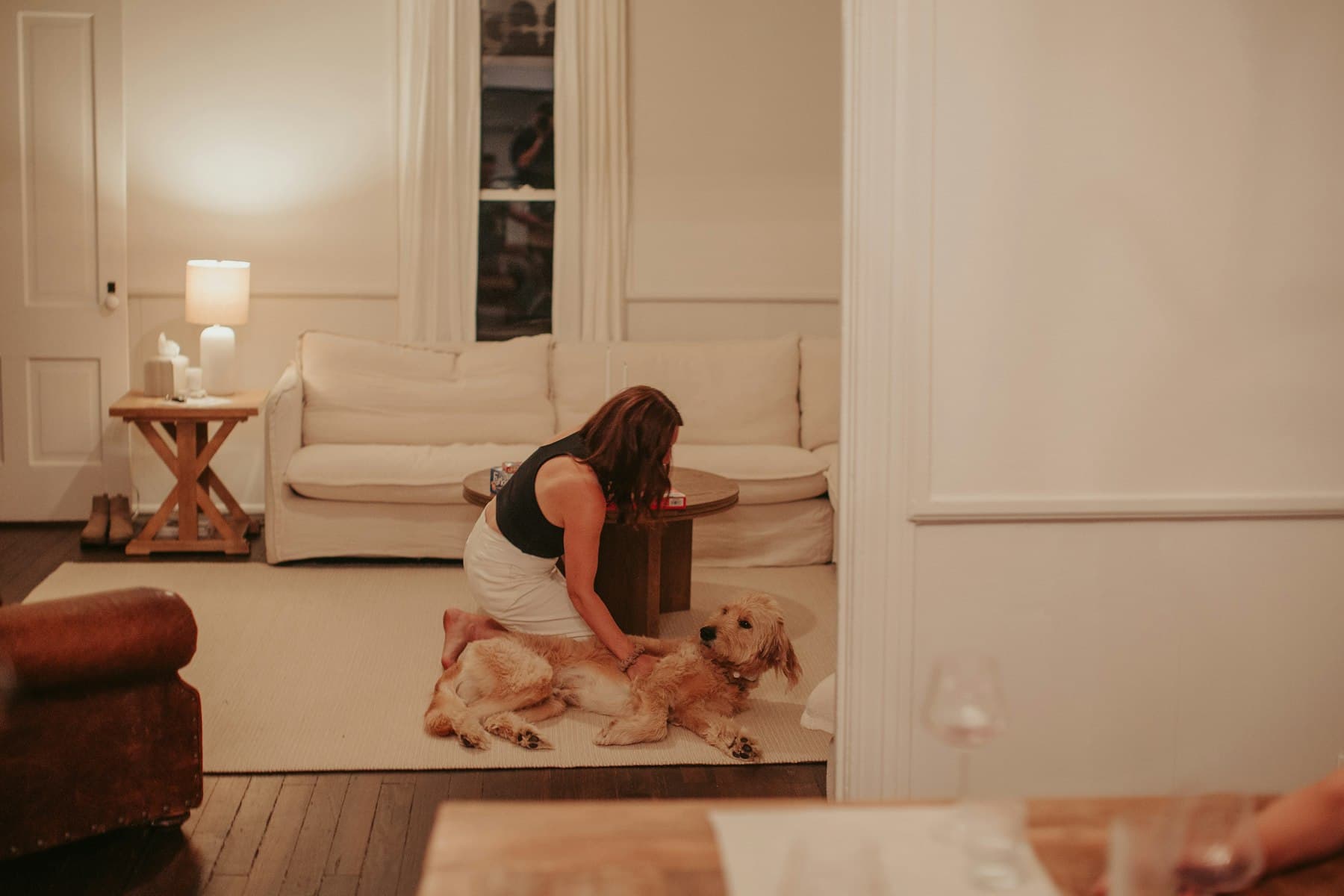
Dogs relax when the picture stays familiar. A mat in the living room, the same low stool, or the same patch of floor after a walk gives grooming a home. Pair it with a time of day when your dog is already a little sleepy, not the moment they are waiting at the door for a game. Consistency is not strictness. It is a promise that this activity has a shape.
Put the brush where you can see it. If grooming tools live in a cupboard you dread opening, the routine will slip. A small basket in the room where you actually sit with your dog is enough of a system.
3. Praise the try, not only the finished coat
Positive reinforcement is simply noticing the moment your dog cooperates and marking it. A quiet "yes," a scratch in a favourite spot, or a tiny treat they already love can be plenty. You do not need a performance or a pouch full of new snacks. Deliver the good thing while they are still doing the calm behaviour, not after they have already bounced away.
Skip the scolding. A dog who is corrected for moving often moves more. Guide them back, lower your voice, and try a smaller step. Patience is the reinforcement you are practising too.
4. Let them meet the tools first
Hold the brush where your dog can sniff it. Touch it lightly to a shoulder and take it away. Do this on a day when you are not trying to finish a full groom. Brushes, combs, and even the sound of a bottle can be strange objects until they are boring. Boring is a compliment. It means your dog has decided the tool is not a threat.
If they flinch, you have useful information. Go back to a touch they accept, praise that, and end. The investigation itself counts as grooming practice.
5. Offer a break before they have to demand one
Watch the body, not the clock. A dog who licks their lips, turns their head away, yawns, or will not put weight on the paw you are holding is asking for space. Pause. Let them shake, sniff, or sit in your lap if that is their habit. Then ask for one more easy stroke, or stop for the day. Breaks keep trust intact.
You can build the length later. A dog who learns that "pause" is a real word will offer you more stillness next time because stillness is no longer a trap.
6. End while it is still going well
The last thirty seconds shape the memory. Finish on a spot your dog enjoys, say you are done in the same phrase every time, and then do something ordinary together: a sip of water, a toy, the sofa. Do not tack on "just one more tangle" after you have already said the session is over. Ending honestly is how the routine stays safe.
If the session went poorly, end anyway. A short, slightly messy stop is kinder than pushing through frustration. Tomorrow is a real option.
7. Let your own mood set the weather
Dogs are gifted readers of shoulders and breath. If you are rushed, they will feel the hurry in your hands. If you can spare a slower exhale and a looser grip, the brush often goes through more easily. You do not have to feel cheerful on command. You only have to be willing to make the session smaller when you are not in a patient place.
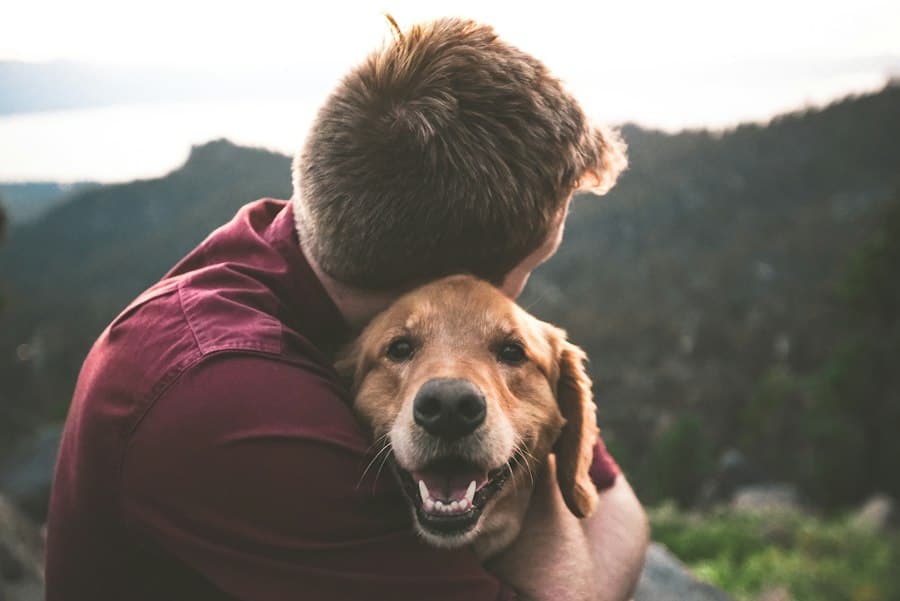
Grooming is a conversation. Some days your dog leads you to stop. Some days you lead them to try one more minute. Either way, the goal is a coat that is cared for and a dog who is willing to come back to the mat.
Put these seven ways together and the routine starts to feel ordinary, which is exactly what you want. Ordinary care, offered with patience and consistency, is how grooming becomes something your dog can enjoy rather than endure.
Key takeaways
- Short, repeatable sessions build more comfort than one long grooming marathon.
- Praise calm cooperation, and let your dog sniff tools before they are used in earnest.
- Pause when their body asks for space, and stop while the moment is still good.
- Your pace and voice are part of the routine your dog learns.